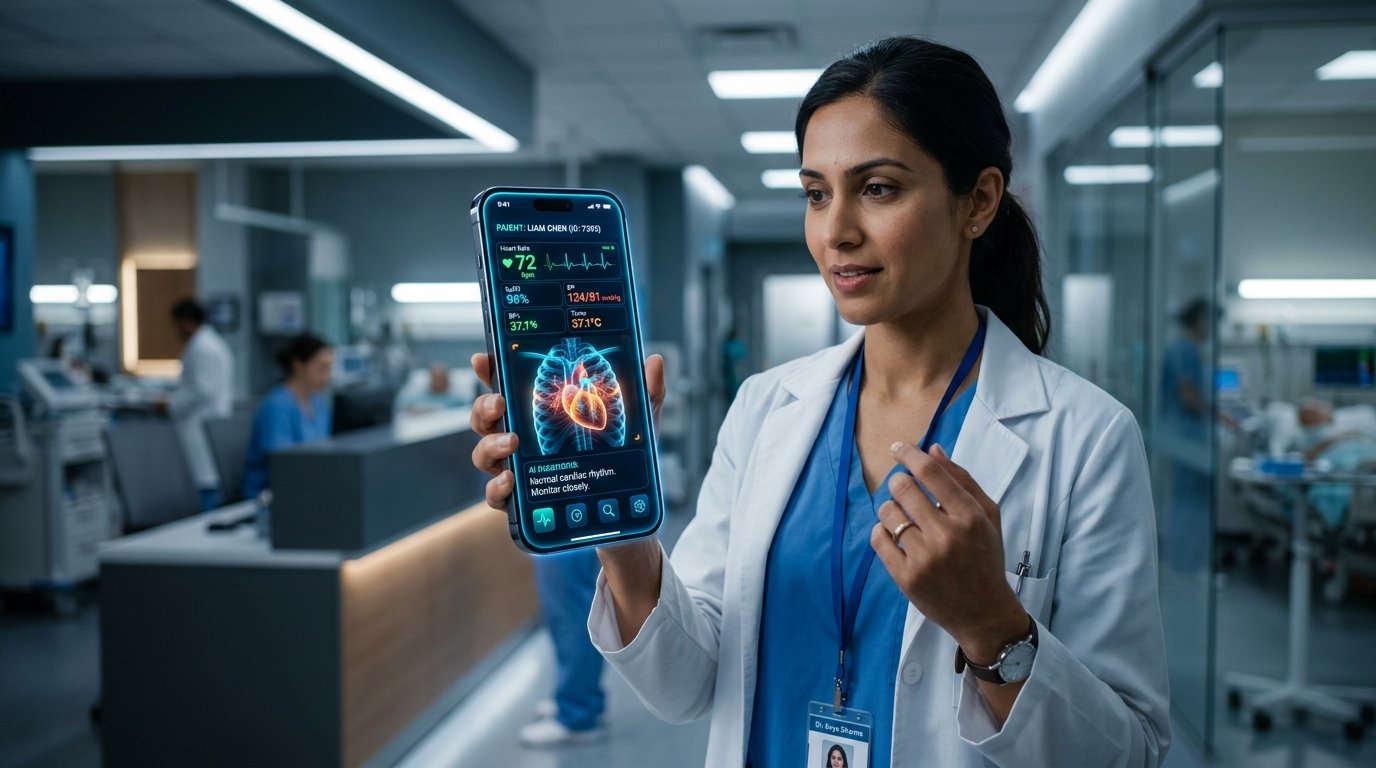
Healthcare Application Development Services
Healthcare application development services for hospitals, clinics and digital health companies: telehealth, EHR-integrated and patient-facing apps built around clinical workflows and privacy requirements.


Our healthcare application development services cover the full patient and provider journey: virtual care, connected records, patient-facing apps and the clinical workflows behind them. We start from how care is actually delivered, then build software that fits it, with privacy and security requirements designed in from day one.
Our Core Capabilities
Healthcare Software Capabilities We Deliver
Our Suite of Healthcare Application Development Services
From strategy to long-term support, our healthcare application development services cover the whole product lifecycle. We design for the users, systems and regulations of your care setting, not a generic template.
Healthcare Software Consulting & Strategy
We assess your care model, users and systems, then define the product scope, architecture and roadmap before development begins.
A clear picture of how care, data and handoffs work today.
A phased plan sequenced by clinical value and delivery risk.
Telemedicine & Virtual Care App Development
We build video consultation, secure messaging and scheduling experiences that extend access to care beyond the clinic.
Reliable, easy-to-join consultations for patients and providers.
Booking, reminders and post-visit workflows in one place.
EHR / EMR Integration & Interoperability
We connect your application to electronic health record systems and other clinical platforms using established healthcare data standards.
Standards-based data exchange with the systems care teams already use.
Patient and clinical data kept consistent across systems.
Patient Portal & Mobile Health App Development
We design and build patient-facing web and mobile apps that make it easier to book care, access information and stay engaged.
Secure access to appointments, records and communication.
iOS, Android and web experiences built for accessibility.
Remote Patient Monitoring & IoT Integration
We bring readings from wearables and connected home devices into care workflows, so teams can follow patients between visits.
Reliable data capture from supported devices and platforms.
Clear views and thresholds for clinical staff to act on.
Healthcare AI & Analytics
We add analytics and carefully scoped AI assistance to healthcare applications, with clinicians keeping the final decision.
Summaries, routing and documentation support that people review.
Dashboards and reporting built on the data your application generates.
Clinic & Hospital Management Software
We build the internal tools that keep a care organization running: scheduling, intake, billing workflows and care coordination.
Appointment and registration flows that reduce front-desk work.
Shared views and handoffs across teams and departments.
Healthcare Application Modernization & Support
We modernize aging healthcare software in controlled stages and keep live applications monitored, updated and improving.
Phased upgrades that keep clinical operations running.
Maintenance, updates and enhancements after launch.
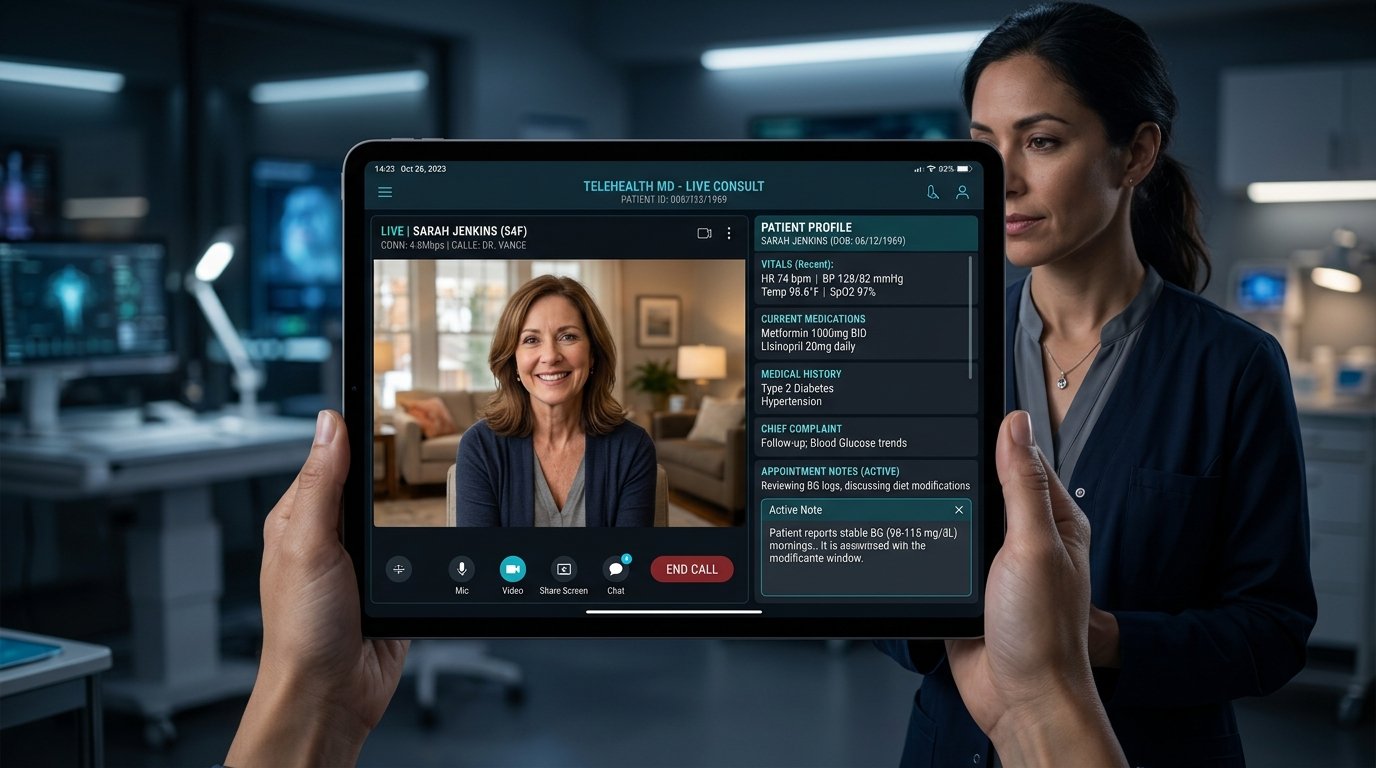 Virtual Care Workspace
Why Partner with Us for Healthcare Application Development

Healthcare Application Development for Every Care Setting
Care looks different in a hospital, a private clinic and a digital-first startup. We shape each application around the workflows, users and systems of the setting it will actually run in.
Healthcare Software Built Around Clinical Reality
Healthcare apps succeed when they fit the way clinicians and patients actually work. Our engineers pair technical depth with a workflow-first approach, so what ships gets used instead of worked around.

Why Teams Rely on CodeBase Coders
for Healthcare Application Development
Healthcare projects tend to fail in predictable ways: privacy treated as a late checklist, systems that cannot exchange data, and interfaces clinicians work around. These five habits are built into every engagement to avoid them.
Privacy by Design
We map where protected health information flows before designing anything, then build access control, encryption and audit logging into the architecture instead of adding them at the end.
Interoperability First
We design around healthcare data standards such as HL7 FHIR and HL7 v2 from the start, so the application can exchange data with the systems care teams already use.
Clinician-Friendly UX
We design with the people who will use the product, interviewing clinicians and staff, so the interface removes steps from a busy day instead of adding them.
Security You Can Review
Threat modelling, secure coding practices, dependency scanning and security testing are part of delivery, and the results are documented for your security and compliance reviewers.
Validated Before Launch
We test with realistic clinical scenarios and edge cases, including downtime and bad-data situations, and support user acceptance testing with your clinical team before go-live.
Build Healthcare Software Patients and Clinicians Can Rely On.
From First Release
To a Connected Care Platform
Healthcare products usually mature in stages: a focused first release that proves the care model, then integration with the systems around it, then insight built on the data it generates. We meet you at the stage you are in.
Focused First Release
Ship a scoped product, such as a patient app, telehealth visit flow or provider tool, that proves the care model with real users.
Integrated Care Systems
Connect the product to EHRs, labs, devices and payers so data flows between systems instead of being re-entered by hand.
Insight & Intelligence
Use the data the platform generates for analytics and carefully scoped AI assistance, with clinicians keeping the final decision.
Our Healthcare Application
Development Process That
Keeps Care and Privacy in View
We begin with the care workflow and the regulatory context, not the feature list. Every stage produces something your clinical, technical and compliance stakeholders can review.
Discovery & Regulatory Scoping
We map the users, care workflows, data flows and applicable requirements (such as HIPAA or regional equivalents) so scope and risk are clear before design starts.
We design flows with clinicians, staff and patients in mind, and test prototypes with real users before development begins.
Clinical UX & Product Design
Architecture & Interoperability Design
We design the system, integration points and data model around healthcare standards and the systems you already run.
We build in short iterations with regular demos, connecting to EHRs, devices and third-party services as we go.
Agile Development & Integration
Security & Privacy Implementation
We implement role-based access, encryption, audit logging and consent handling, and review them against your requirements.
We run functional, integration, performance and security testing, and support user acceptance testing with your clinical team.
Testing & Clinical Validation
Deployment, Monitoring & Support
We release in controlled stages and can keep supporting the application with monitoring, updates and improvements.
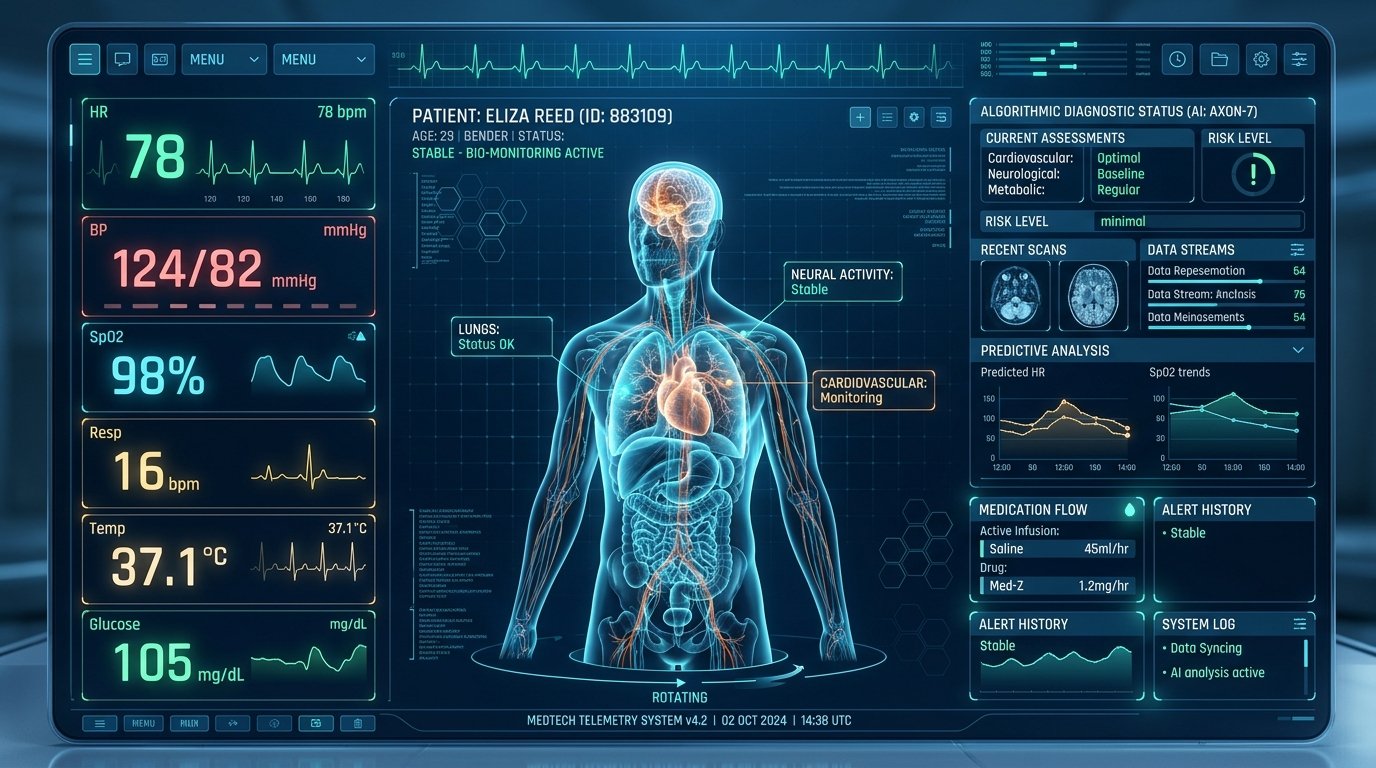
We Bring Next-Generation Technologies into Our Healthcare Application Development
New technology is changing how care is delivered. We adopt it where it helps clinicians and patients, with people staying in control of clinical decisions.
As a healthcare software partner, we introduce new technology deliberately: where it reduces clinician workload or improves patient access, and where its output can be reviewed by qualified people.
AI-Assisted Clinical Workflows
AI can help with tasks like summarizing records, drafting documentation and routing requests. We design these features so clinicians review and approve the output.
Know MoreRemote Patient Monitoring & Connected Devices
Remote monitoring brings readings from wearables and home devices into care workflows, so teams can follow patients between visits.
Know MoreFHIR-Based Interoperability
Modern APIs built on HL7 FHIR make it easier for applications to exchange data with EHRs and other healthcare systems.
Know MoreVirtual Care Platforms
Video visits, secure messaging and scheduling in a single experience extend access to care beyond the clinic.
Know MoreCloud-Native Healthcare Platforms
Managed cloud services and automated delivery pipelines reduce the operational burden of running healthcare applications yourself.
Know MoreHealthcare Technologies & Platforms We Work With
We choose tools for your product and team, favoring proven, widely adopted technologies that are secure to run, easy to maintain and straightforward to hire for.
Healthcare Platforms Built on
Trusted Technologies
We build healthcare applications on proven open standards, frameworks and cloud platforms that engineering and security teams already know and trust.
Explore More
Healthcare & Digital Health Services
Healthcare applications rarely stand alone. Explore our healthcare industry overview and the services that help build, integrate and modernize them.


Healthcare Application Development Services FAQs
Didn’t Find What You Were Looking For?
We’ve got more answers waiting for you! If your question didn’t make the list, reach out directly to our Healthcare Application Development Services experts.
Ready to Get Started With Healthcare Application Development Services?
Speak with our senior engineers today. Receive a technical roadmap, project plan, and squad proposal in under 4 hours.